
Project Hours
Contact Hours
E learning Hours
Tools/Languages
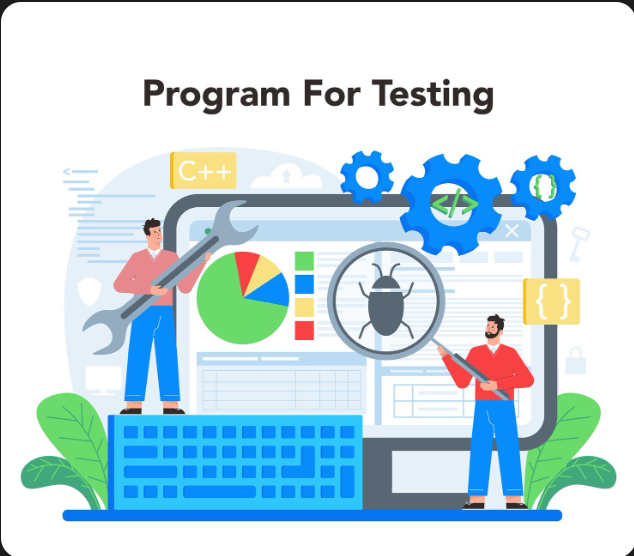
At FUZEN IT, we empower you with Manual Testing expertise to ensure the quality and reliability of software through structured testing processes. Our hands-on approach helps you master real-time testing skills using industry-standard practices and tools. With a well-structured curriculum , you’ll gain in-depth knowledge of STLC, test planning, bug reporting, test case design, and various testing techniques. Whether you’re aspiring to enter the QA field or switch careers, this course equips you with the confidence and competence to excel in the software testing domain.
Introduction to Software Development Life Cycle (SDLC) & Testing Life Cycle (STLC)
Importance and role of testing in software quality
Difference between Manual and Automation Testing
Types of testing: Functional vs. Non-Functional
Principles of software testing
Understanding test plans, strategies, and test levels
Entry and exit criteria
Risk-based testing and test estimation
Preparing Requirement Traceability Matrix (RTM)
Writing effective test plans based on real-world scenarios
Test case design techniques (Boundary Value Analysis, Equivalence Partitioning, Decision Tables, etc.)
Writing clear and concise test cases and test scenarios
Test data preparation
Executing test cases and logging results
Test coverage and metrics
What is a defect/bug?
Defect Life Cycle and its stages
Severity vs. Priority
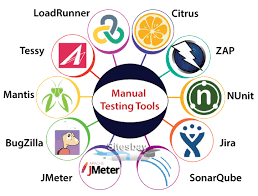
Hands-on bug tracking with tools like JIRA or Bugzilla
Writing effective bug reports with screenshots/logs
Black Box vs. White Box testing techniques
Smoke, Sanity, Regression, Integration, System Testing
User Acceptance Testing (UAT)
Compatibility & Exploratory Testing
Ad-hoc and Risk-based Testing approaches
Applying testing knowledge on a live project
Writing test cases, executing tests, and reporting bugs
Real-world test documentation (Test Plan, RTM, Test Summary Report)
Resume building for QA roles
Mock interviews and HR preparation sessions
The duration varies based on the learning pace, but typically, the program can be completed within a structured timeframe.
Not necessarily. Many of our beginner-level courses are designed for freshers and non-IT students. However, for advanced programs like AI and Cybersecurity, a basic understanding of programming is helpful
Yes. All enrolled students receive lifetime access to course materials, resources, and updates even after completing the course.
You can reach out through our contact page, WhatsApp support, or visit our nearest branch for one-on-one guidance.
Fuzen It Solutions is a global AI-first EdTech and technology solutions company leading the way in education and workforce transformation.
To deliver future-ready IT programs that align with industry demand and learner aspirations. FUZEN IT is committed to expanding access, improving outcomes,
and continuously evolving our courses to help students achieve growth, confidence, and success in the digital and AI world.
©2019. Fuzen IT. All Rights Reserved.


